 English
  فارسی
فارسی  عربي
عربي 
Description
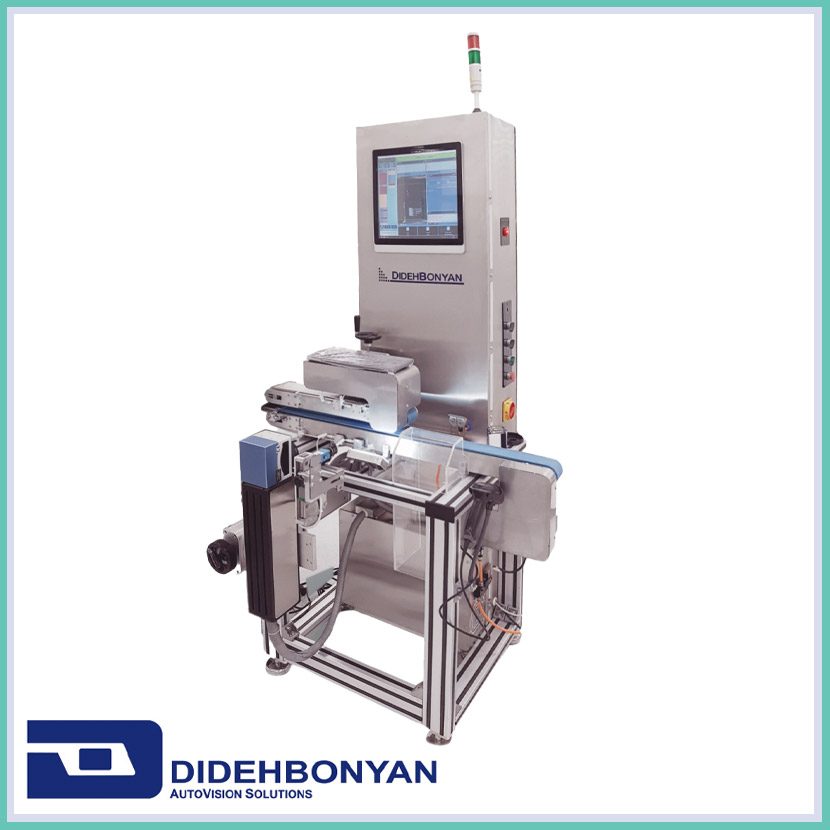
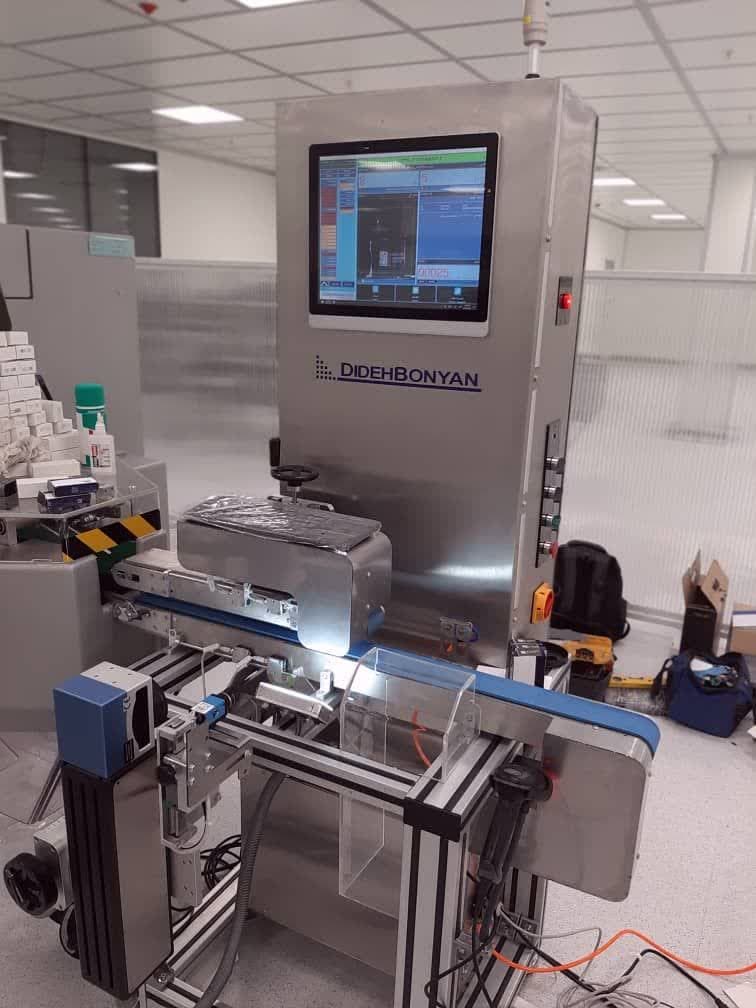
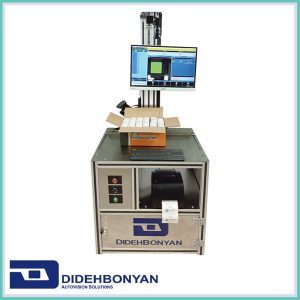
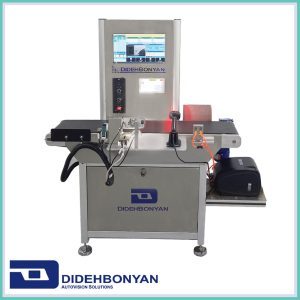
Online Authenticity Device (Laser-Based)
In today’s world, the security and authenticity of products, especially in the pharmaceutical industry, hold significant importance. Authenticity devices and authenticity label printers have emerged as effective tools to ensure quality and prevent counterfeiting in pharmaceutical products. These devices, with their advanced capabilities, elevate the process of marking and reading product information to a new level. This guide
provides a comprehensive overview of the features, benefits, applications, and usage of the online authenticity device.
—
Chapter 1: Importance of Authenticity Devices
1.1. The Need for Authenticity in the Pharmaceutical Industry
Pharmaceutical products, due to their direct impact on human health, must adhere to high standards. Counterfeiting in this sector can lead to irreparable consequences. Authenticity devices serve as an effective solution to guarantee the security and quality of these products.
1.2. Benefits of Authenticity Label Printing
Authenticity label printing is a key tool for identifying and verifying product authenticity. These labels contain critical information about the product, helping consumers ensure the product’s validity and safety.
—
Chapter 2: Features of the Online Authenticity Device
2.1. Simultaneous Marking and Reading
The online authenticity device can simultaneously mark and read information. This feature reduces production time and increases data accuracy. With this device, essential information such as barcodes, production
dates, and expiration dates can be easily printed on product packaging.
2.2. High-Quality Printing
The quality of authenticity label printing is a critical factor in the success of authenticity devices. These devices are capable of printing data matrices and characters with precision and clarity. Additionally, they support printing in multiple languages, including Persian and English.
2.3. High Speed
The high speed of the online authenticity device makes it an ideal choice for high-speed production lines. With the ability to mark and read up to 120 products per minute, this device significantly enhances
productivity.
2.4. Integration with Production Lines
Authenticity devices can be seamlessly integrated with various pharmaceutical production lines, including manual and cartoning lines. This feature facilitates production processes and minimizes the need for major changes to the production line.
—
Chapter 3: Applications of the Authenticity Device
3.1. Pharmaceutical Industry
Authenticity devices are used in the pharmaceutical industry to print
authenticity labels on medicine boxes. These devices ensure that each product is traceable and identifiable by printing vital information on the packaging.
3.2. Food Industry
In the food industry, authenticity devices are used to print valid labels and information such as production and expiration dates. This helps build consumer trust and ensures compliance with health standards.
3.3. Cosmetics and Personal Care Products
Printing authenticity labels on cosmetics and personal care products is equally important. These devices assure consumers that the products they use are
genuine and of high quality.
—
Chapter 4: How to Use the Authenticity Device
4.1. Device Setup
To begin using the authenticity device, connect it to a power source and turn it on. Then, perform initial settings such as selecting the language and the type of information to be printed.
4.2. Entering Information
After setup, enter the product-related information into the device. This information may include barcodes, production dates, expiration dates, and
other details. The online authenticity device allows users to input data easily and accurately.
4.3. Selecting the Print Type
The authenticity device offers options for selecting the print type. Users can specify whether the information should be printed horizontally or vertically. This feature enables customization based on specific needs.
4.4. Starting the Printing Process
Once all settings are configured, users can initiate the printing process. The device prints information on product packaging with high speed and quality while simultaneously reading the data.
—
Chapter 5: Maintenance and Troubleshooting
5.1. Periodic Maintenance
Periodic maintenance is essential to preserve the device’s efficiency and extend its lifespan. This includes cleaning components and checking the device’s performance. Regular software updates are also recommended.
5.2. Resolving Common Issues
In case of issues, users can refer to the device’s manual or contact support for appropriate solutions. Common problems may include printing errors or incorrect data reading.
—
Chapter 6: Standards and Suppliers
6.1. Pharmaceutical Standards
Authenticity devices must comply with pharmaceutical standards and the regulations of the Food and Drug Administration (FDA) in Iran. These standards ensure product quality and safety.
6.2. Reliable Suppliers
Choosing reliable suppliers for authenticity devices is crucial. Manufacturers with experience and credibility typically provide higher-quality products and better support services.
—
Chapter 7: The Future of Authenticity Devices
7.1. Technological Innovations
With advancements in technology, authenticity devices are continuously improving and evolving. The integration of artificial intelligence and new technologies can enhance the accuracy and speed of these devices.
7.2. Growing Demand
The increasing need for authentic products and quality control is driving the demand for online authenticity devices. This trend is expected to expand the market and
intensify competition in this field.
—
Comparison of Laser-Based and Inkjet Authenticity Devices
Authenticity devices, as essential tools in various industries, are divided into two main categories: laser-based and inkjet devices. Each technology has its own features, advantages, and disadvantages. Below is a comparative analysis of these two types of devices.
- Printing Technology
1.1. Laser-Based Devices
– Operation: Laser-based devices use laser beams to engrave information onto the
product surface. This process does not require ink or other consumables.
– Print Quality: These devices deliver highly precise and detailed prints, capable of producing complex images and text with excellent clarity.
1.2. Inkjet Devices
– Operation: Inkjet devices use liquid ink to print information on the product surface, supplied through cartridges.
– Print Quality: While good, print quality can vary depending on the type of ink and the product surface.
- Operational Costs
2.1. Laser-Based Devices
– Consumables: These devices typically do
not require consumables, reducing operational costs.
– Maintenance: They require less maintenance and have a longer lifespan.
2.2. Inkjet Devices
– Consumables: The cost of ink and cartridges can significantly impact operational expenses.
– Maintenance: These devices may require more frequent maintenance, especially if the ink dries out.
- Printing Speed
3.1. Laser-Based Devices
– High Speed: Laser devices generally offer faster printing speeds, making them suitable for high-volume production.
3.2. Inkjet Devices
– Variable Speed: Printing speed depends on the type of ink and the product surface, which may be slower compared to laser devices.
- Applications
4.1. Laser-Based Devices
– Pharmaceutical Industry: Widely used for their precision and high-quality printing.
– Industrial Products: Suitable for engraving on metals and hard materials.
4.2. Inkjet Devices
– Food Industry: Commonly used for printing production and expiration dates.
– Non-Sensitive Products: Ideal for products requiring quick and cost-effective printing.
- Advantages and Disadvantages
5.1. Advantages of Laser-Based Devices
– High precision and quality
– No need for consumables
– Long lifespan and low maintenance
5.2. Disadvantages of Laser-Based Devices
– Higher initial cost
– Limited color printing capabilities
5.3. Advantages of Inkjet Devices
– Lower initial cost
– Ability to print in color and complex images
5.4. Disadvantages of Inkjet Devices
– Higher ongoing costs (ink and cartridges)
– Risk of ink drying and increased maintenance
—
Conclusion
The online authenticity device (laser-based) plays a pivotal role in ensuring the quality and security of products in the pharmaceutical and other industries. With its unique features, these devices enhance productivity and reduce costs. Given the growing importance of product
authenticity, investing in these technologies has become a fundamental requirement for companies.
Choosing between laser-based and inkjet authenticity devices depends on the specific needs and conditions of each industry. For high precision and quality, laser-based devices are an excellent choice. However, for lower initial costs and color printing capabilities, inkjet devices may be more suitable. Ultimately, assessing production needs and available budgets will help make the right decision.
Reviews
There are no reviews yet.